
Mary Doyno
Making Women Real: Institutional Growth, Misogyny, and the Mendicant Revolution
Biography
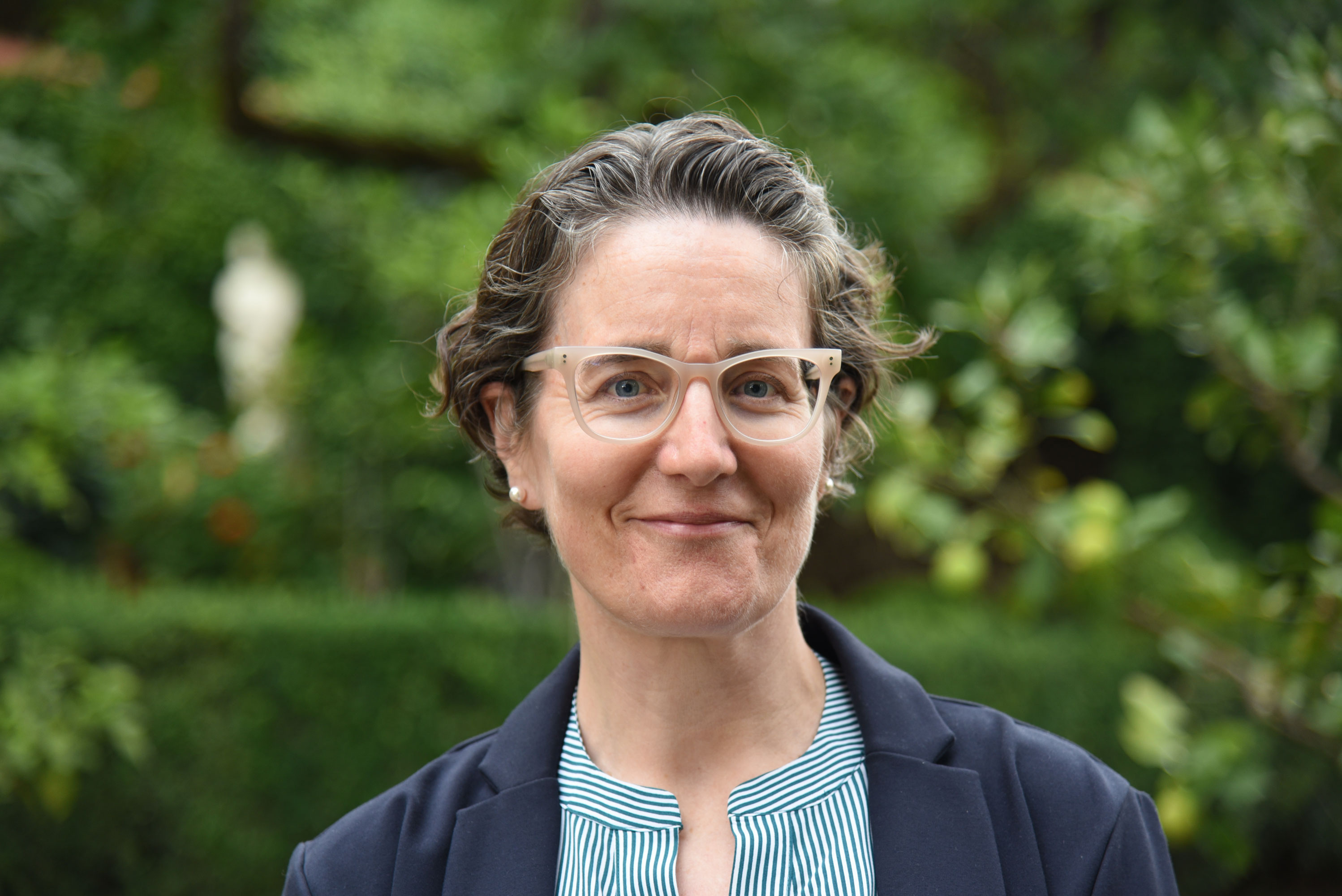
Mary Harvey Doyno is Professor of Humanities and Religious Studies at California State University, Sacramento. Having received her PhD from Columbia University, she has also taught in Princeton’s and Stanford’s writing programs. Her research focuses on gender, religious life, and the Christian Church. Her work has appeared in Past & Present, Common Knowledge and Speculum, and her monograph, The Lay Saint: Charity and Charismatic Authority in Medieval Italy, 1150-1350, was published by Cornell University Press in 2019.
Project Summary
The papacy’s acceptance of Francis of Assisi and Dominic of Guzman, as well as their devotees, into newly sanctioned religious “Orders” has long been hailed by scholars as a brilliant move. Francis and Dominic were emblematic of a broader evangelical revolution that had the potential to topple a growing institutional Church. By creating the Franciscan and Dominican Orders, church authorities had not only neutralized but also co-opted critics. Making Women Real argues that such an assessment overlooks the central role that women played in the papacy’s acceptance and promotion of these new orders. Responding to the profound institutional threat that both men’s and women’s participation in the vita apostolica movement posed, the papacy’s approval of the mendicant orders came in lockstep with efforts to award women concrete institutional statuses (in the form of female religious orders, specific rules to organize those communities, and papal privileges of protection). Both moves, Making Women Real contends — the creation of the mendicant orders and the endowment of a new institutional identity for women — aimed to reassert the Roman Church as the ultimate power and authority through a repetition of a process fundamental to the formation and growth of all institutions: the construction and articulation of principles of exclusion.