
Lina Bolzoni
Poets and Painters Between the 15th and 16th centuries: The Myth of Asclepius
2026-2027 (September - October)
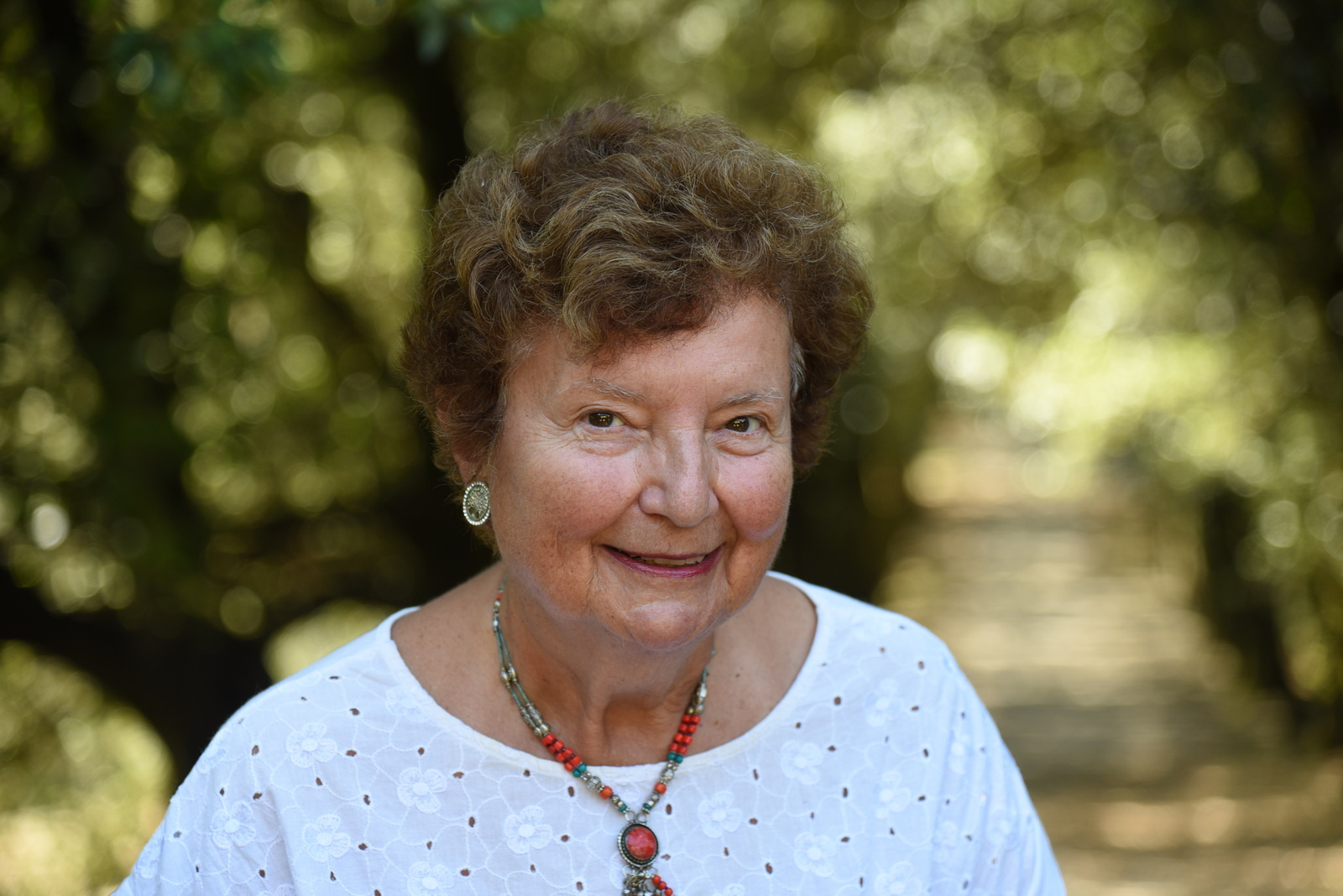
Biography
Lina Bolzoni is professor emerita of Italian literature at the Scuola Normale Superiore of Pisa and Global Distinguished Professor at New York University. She is a member of the Accademia Nazionale dei Lincei, of the British Academy, of the Académie des Inscriptions et Belles Lettres and of the American Philosophical Society. Among her books, translated into many there languages, there are La stanza della memoria (Turin 1995); La rete delle immagini (Turin 2002, Premio Viareggio); Il cuore di cristallo. Ragionamenti d’amore, poesia e ritratto nel Rinascimento(Turin 2010); A Marvelous Solitude. The Art of Reading in Early Modern Europe (The Bernard Berenson Lectures, Villa I Tatti, Harvard U.P. 2023, Prize Francesco De Sanctis for an innovative essay).
Project Summary
The project takes its cue from the presence of the myth of Asclepius in the Renaissance. Asclepius is the physician-god who reassembles the body of Hippolytus, torn apart by his horses, brings him back to life, and is punished by Jupiter precisely for this reason. Celebrated by Virgil and Ovid, he becomes the god in whom writers and poets recognize themselves: for example, Boccaccio when he traces the genealogy of the gods, and humanists such as Bracciolini and Poliziano, who piece together the torn and scattered body of antiquity so as to bring it back to life in the present. What does this mean? Why is the god of medicine also the god who represents the power of poetry and imagery? To answer this question, we analyze the Sacred Discourses by Aelius Aristides, a renowned rhetorician of the 2nd century AD, which show us Asclepius in action. The author, long tormented by a psychophysical ailment that paralyzes all his activities, recounts how Asclepius appears to him repeatedly in dreams and heals him through diet and medicine, but also by inviting him to write poetry, to engage in rhetorical debates. The traces of the myth are then sought in the poems dedicated to artists, particularly to Leonardo, Mantegna, Raphael. The theme of art that recreates life and for this reason challenges the gods is particularly present in the Latin poems and in the vernacular poems written when Raphael dies. In those texts, different traditions related to the agency of images converge in a most significant way.