
Stephen Greenblatt
The Renaissance and the Shape of Life
2025-2026 (mid-February - March)
Biography
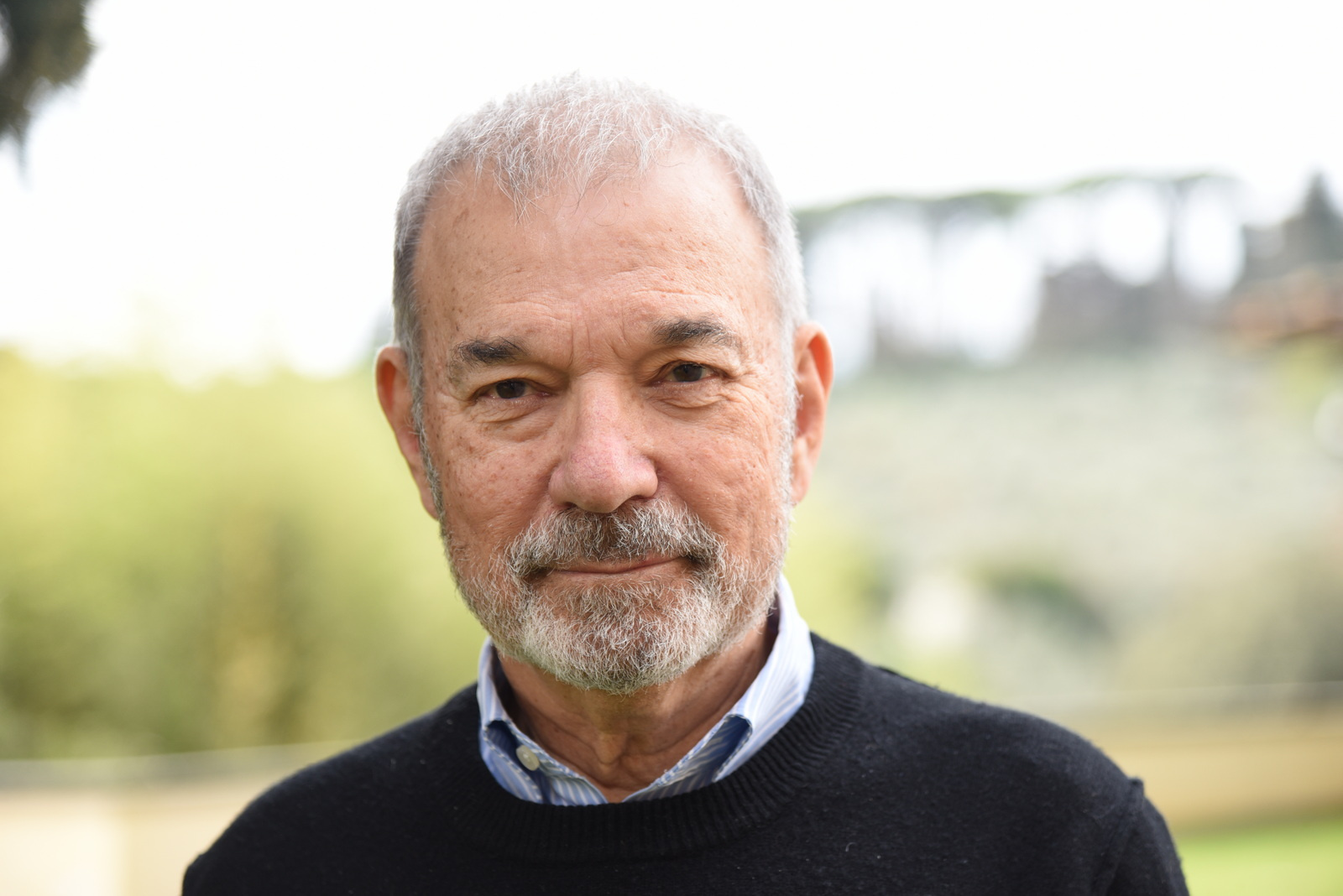
Stephen Greenblatt, Cogan University Professor of the Humanities at Harvard, is the author of fifteen books, including the Dark Renaissance: The Dangerous Times and Fatal Genius of Shakespeare’s Greatest Rival; The Swerve: How the World Became Modern; and Will in the World: How Shakespeare Became Shakespeare. He is the General Editor of The Norton Shakespeare and The Norton Anthology of English Literature. His honors include the Holberg Prize; the Pulitzer Prize, the National Book Award, and the Mellon Distinguished Humanist Award. He is a member of the American Academy of Arts and Letters, the American Academy of Arts and Sciences, the British Academy, Italy’s Academia degli Arcadi, and Germany’s Orden pour le Mérite für Wissenschaften und Künste.
Project Summary
People change. They grow up and grow old, each differently but in ways divisible into stages. Different cultures and different eras understand and number these stages differently, but between birth and death bodies and minds develop and age. Renaissance writers and artists, drawing upon a range of sources from the ancient world to their own times, reflected deeply and sometimes obsessively on these developments. This project is concerned in general with how art and literature, with their distinctive capabilities and limits, give visual and verbal shape to “life history” from infancy to “second childishness and mere oblivion, sans teeth, sans eyes, sans taste, sans everything.” The specific focus is on what for Shakespeare constitutes the shape of a life. What are the conditions in his works for affirming that human existence can be framed as a narrative, a narrative that can be told and retold by agents who will serve its replication and transmission? Shakespeare engaged with these issues throughout his career, but nowhere with greater intensity than in King Lear which grapples with a series of difficult questions posed by human longevity: What is the right moment to retire? How can the aged conserve their dignity? What are the obligations of parents to children and children to parents?