
Date:
Location:
Speaker: James Shapiro (I Tatti / Columbia University)
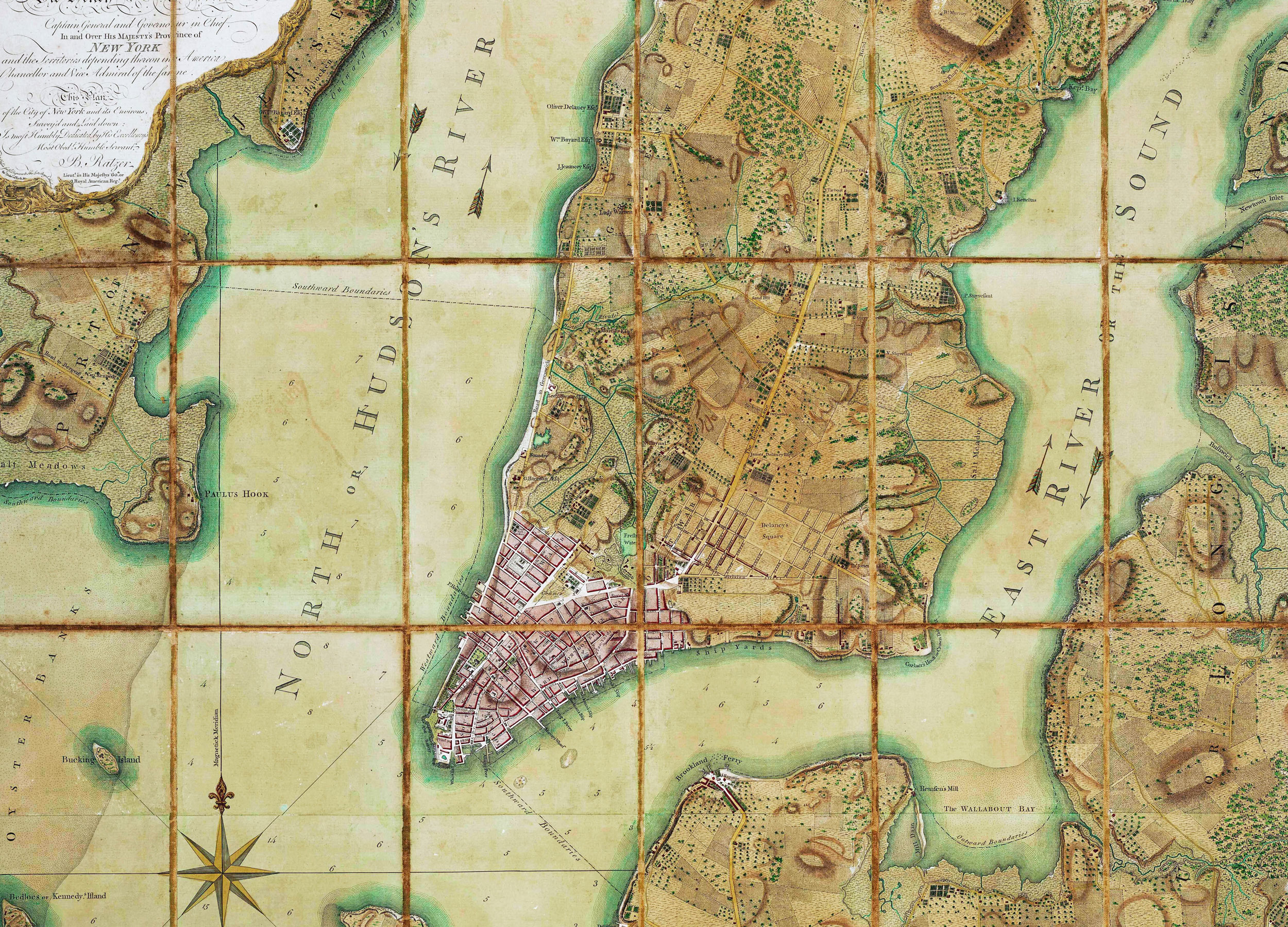
Shakespeare rarely invented his plots, and based most of his domestic comedies and tragedies on Italian sources. Othello grew out of a story he found in Cinthio’s Hecatommithi. In reworking Cinthio’s plot, Shakespeare gave far greater emphasis to Othello’s race, a decision that would have profound consequences for the legacy of his play. In this talk, James Shapiro will draw upon his book-in-progress, Othello’s American Life, commissioned by Yale University Press for its “Black Lives” series, which explores the play’s American legacy. It’s a project given greater urgency by Donald Trump’s executive order, “Restoring Truth and Sanity to American History,” which calls for the suppression of “divisive narratives” that depict America’s past as “racist.” This project is, in part, a scholarly effort to oppose such whitewashing. He’ll share an abbreviated version of his book’s first chapter, which tells the story of an enslaved man named Othello, the first individual of that name in America, who was publicly executed in New York City in 1741 for taking part in an alleged “plot” to “kill all the gentlemen” in the city “and take their wives.”
James Shapiro, a Shakespeare scholar at Columbia University, has long focused in his writing on theater’s cultural impact. His books include Shakespeare and the Jews; Oberammergau; 1599: A Year in the Life of William Shakespeare, which won the Baillie Gifford prize; Contested Will; 1606: The Year of Lear; Shakespeare in a Divided America; and most recently The Playbook: A Story of Theater, Democracy, and the Making of a Culture War. His writing has appeared in the New York Times, the New Yorker, the New York Review of Books, and the London Review of Books. He has been inducted into the American Academy of Arts and Sciences and has been awarded Guggenheim, Cullman, NEH, American Academy in Berlin, and American Academy in Rome fellowships.
Add event to calendar


