
Vuk Uskokovic
The Sage and the Savage: A Genealogy of Thinking about Primitive Humanity from Boccaccio to Late Renaissance Ethnography
2026-2027
Biography
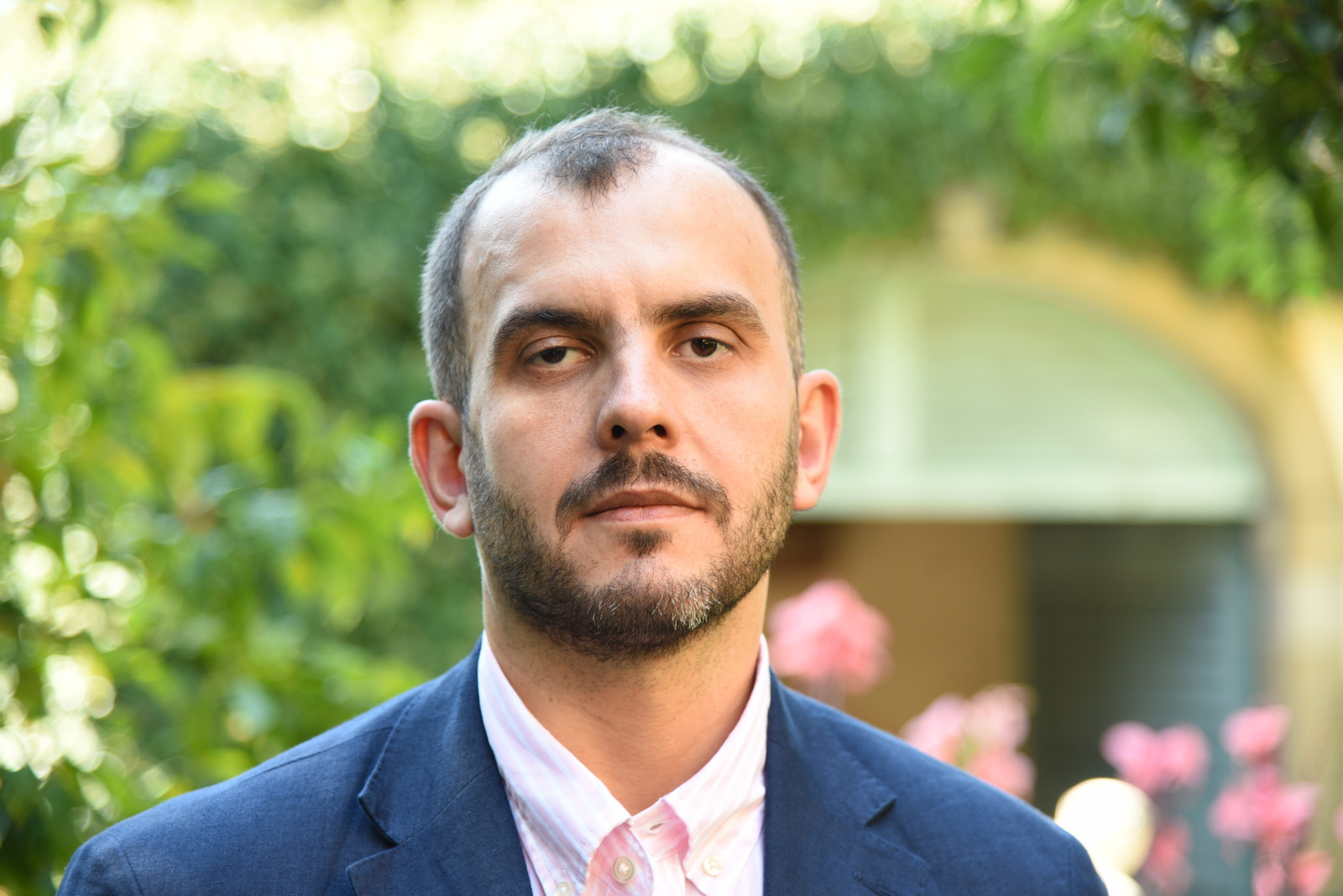
Vuk Uskoković holds a PhD in history from the European University Institute in Florence. His thesis studied the rural communities of the early modern Venetian-Ottoman frontier in the Southeast Adriatic as participants in imperial administration, information flows, and warfare. He has worked and published on the early modern East Adriatic as a dynamic political and social space in a wider Mediterranean and East European context. At the same time, he is interested in the genesis of the perceptions of that space as a cultural and temporal other.
Project Summary
The project explores the ideas about primitive humanity contained in Boccaccio’s Genealogy of the Pagan Gods (and his other texts), as well as the subsequent reception of those ideas across the ethnography of the Renaissance. In the Genealogy, a benighted postlapsarian humanity, treading the Eusebian timeline of universal history, figures as an object of civilising efforts by ancient rulers, sages, and inventors, coding this process into its mythological tales and divinising genealogies. The Genealogy’s entire reconstructive work of pagan mythology, which legitimises Boccaccio as a ‘sage’ in his own time, is premised on his capacity to assume the viewpoint of those ‘savage’ humans (homines silvestres), treating them thus almost like an anthropological object. The Genealogy’s reception in subsequent generations of humanists ensured a wide and largely understudied diffusion of its imagery of primitive humanity, influencing the perceptions of ‘savages’ in both Europe and abroad. The project focuses on the provenance, treatment, and transmission of Boccaccio’s ideas about early history as a way of retracing broader patterns of thinking about primitive humanity which span the late Middle Ages and the early modernity.