Chiara Beneduce
Monsters and the Making of Science. University Debates on Anomalous Births from Paris to Padua (14th–16th Centuries)
2026-2027
Biography
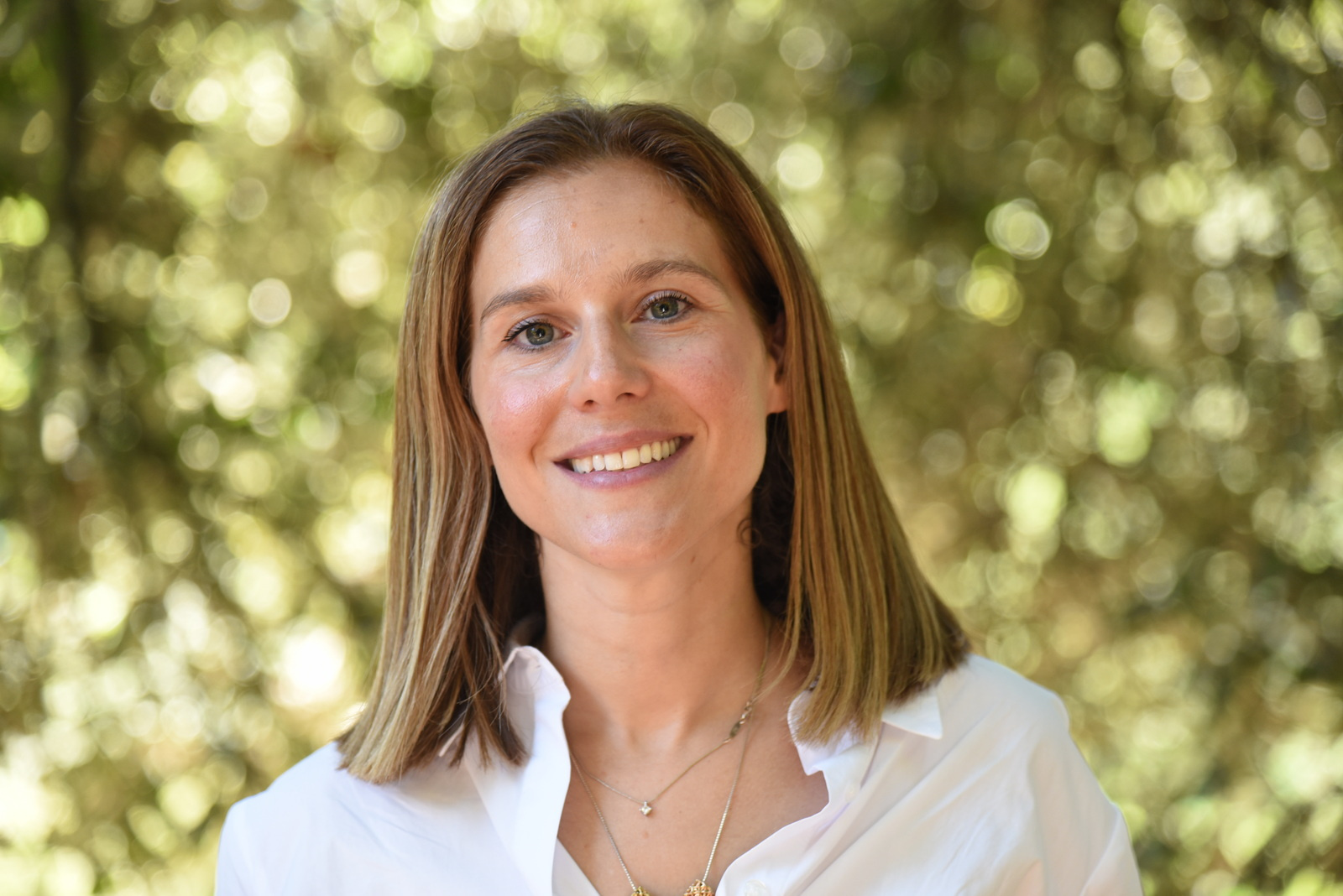
Chiara Beneduce conducts research at the intersection of the history of philosophy and the history of science, with a particular focus on the relationship between natural philosophy and medicine in the Late Middle Ages and the Renaissance. She received her PhD in 2017, jointly awarded by the University of Pisa and Radboud University Nijmegen. Since then, she has worked as a postdoctoral researcher in Belgium, France, the Netherlands, Italy, and the United States. She has received several prestigious grants and awards, including an “Early Career Award” from the The Royal Netherlands Academy of Arts and Sciences. She is the author of La scienza del tatto. Un percorso tra filosofia naturale e medicina (Editrice Bibliografica, 2024) and has published extensively on medieval and Renaissance theories of the body, the senses, and generation.
Project Summary
From children born with congenital disabilities to conjoined twins, medieval and Renaissance thought gave notable attention to beings deemed “out of the ordinary” – “monstra” in Latin –, as they tested core scientific categories like “cause”, “species”, “body”, and “generation”. The most extensive discussions of the monstrous in pre-modern philosophy appear in commentaries on Aristotle’s “Physics”, where Aristotle treats monsters as failures of nature’s ends [Physica, II.8, 199a34–199b7]. Against this background, commentators on Aristotle asked “whether nature intends monsters”, that is, whether nature can be said to aim at producing them. Surprisingly, this key tradition for understanding pre-modern university theories of monstrosity has received almost no scholarly attention. My project examines the little studied university theories of monstrous births developed in 14th-century Parisian natural philosophy, focusing on the Buridan circle – John Buridan (d. 1361), Nicole Oresme (d. 1382), Albert of Saxony (d.1390), and Marsilius of Inghen (d. 1396) – and shows their crucial, yet overlooked, influence on the theories of monsters later developed by key figures of Paduan Aristotelianism: Paul of Venice (d. 1429), Gaetano da Thiene (d. 1465), and Augustinus Niphus (d. 1538/45). The project offers a fresh historical perspective on pre-modern scientific theories of monstrous births in the European university milieu, showing how Renaissance scholars, in explaining birth anomalies, reworked Aristotelian philosophy by rethinking causality, natural kinds, the body, and reproduction at the dawn of modern science.