
Maria Dabija
Medieval Fictionality and Modern Narratology
2026-2027 (September - December)
Biography
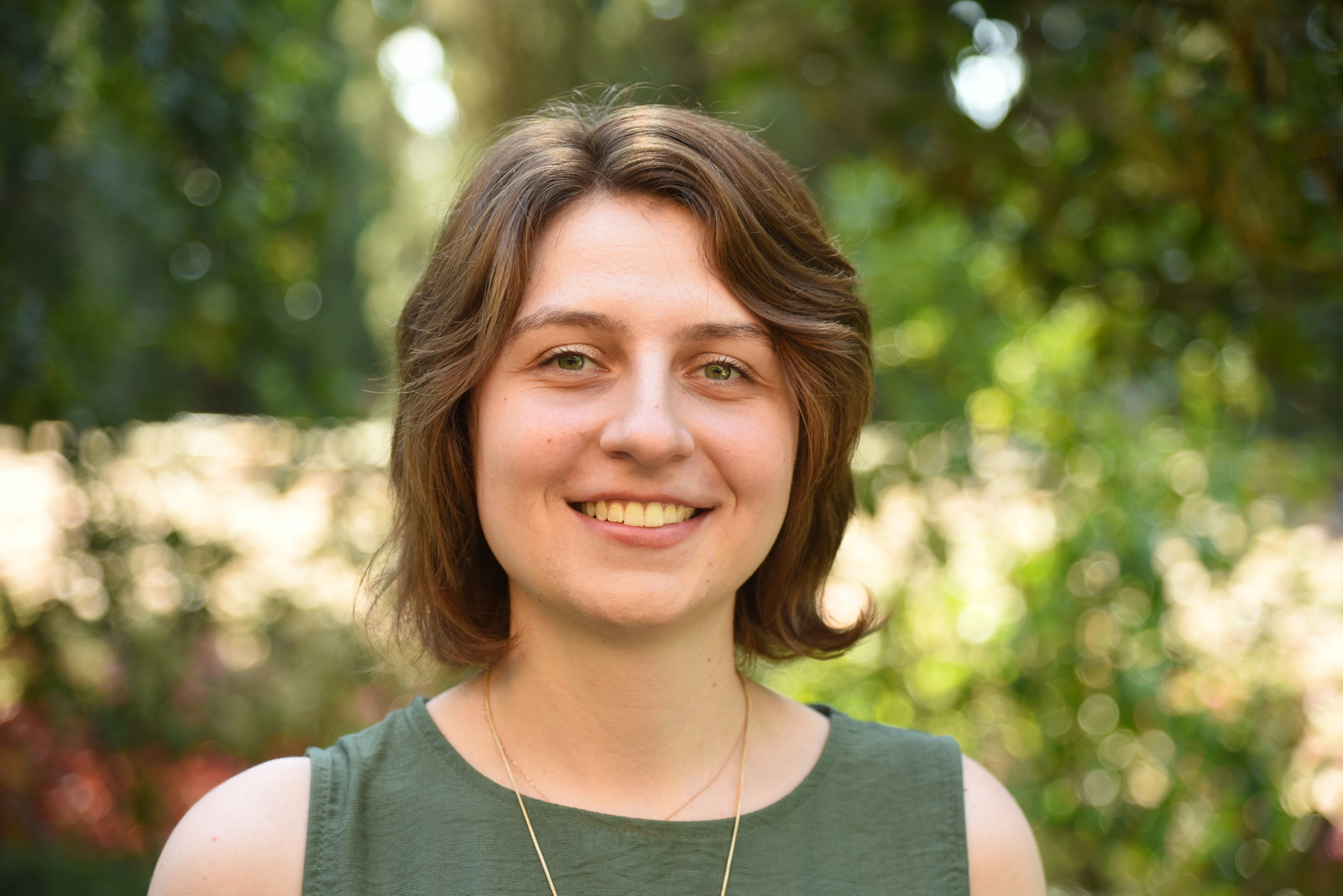
Maria Dabija is a PhD candidate in Comparative Literature at Harvard University. She received her BA in Romanian and Russian literature from the University of Bucharest in 2021. Her research focuses on the mock epic tradition, Pushkin studies, World Literature, and the history of ballet. She has published several articles in the Journal of World Literature, and her most recent essay came out in the co-edited volume Short Story as World Literature (Bloomsbury, 2026).
Project Summary
Subversive in a playful way, the comic epic is a genre with a long history and many faces. Finding one of its earliest examples in Batrachomyomachia, a parody of The Iliad often ascribed to Homer himself, it includes texts as different in form and style as Ariosto’s Orlando Furioso (1516-1532), Cervantes’s Don Quixote (1605-15), Boileau’s Le Lutrin (1672-83), and Byron’s Don Juan (1819-24). Although scholars such as Ulrich Broich (1968) and Ritchie Robertson (2009) have extensively analyzed various strands of the comic-epic tradition, their focus has been confined to Western Europe and the long eighteenth century. This project uncovers the history in Russia and East-Central Europe of a genre that Dabija identifies as “the national mock epic,” first in the nineteenth century and then in the contemporary period, with its deepest roots in Ariosto and Tasso. As the comic epic moved eastward, it ceased to be a secondary response to the elevated tradition of heroic epic that it had been in the West, and took on a surprisingly foundational role in Ukraine, in Romania, and in Russia. The goal of this project is to reconsider the role of the mock epic and contribute to a broader reassessment of Eastern European writers’ creative reworking of the Italian Renaissance.