
James Pilgrim
Invisible Worlds: Art, Uncertainty, and the Renaissance Globe
2026-2027
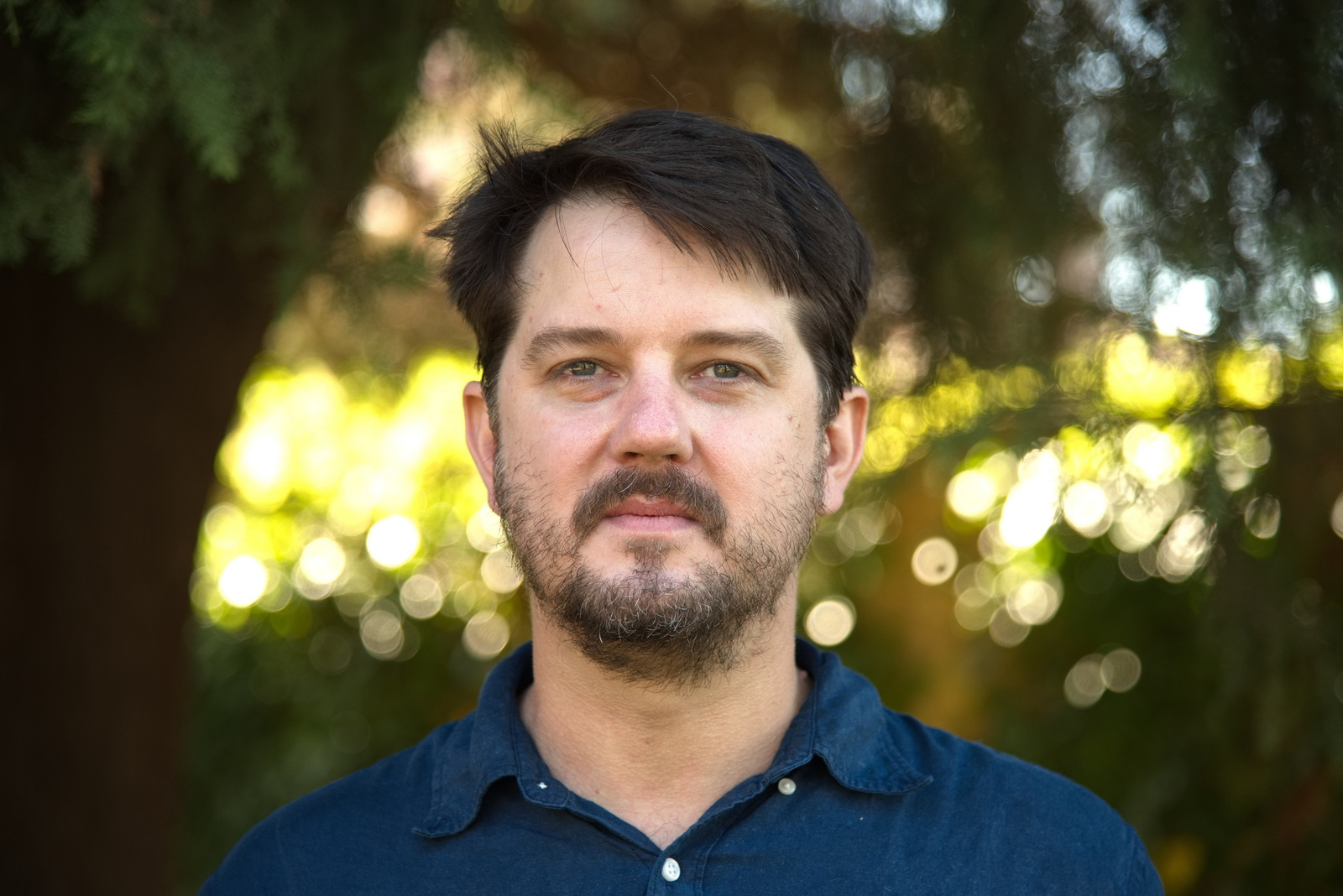
Biography
James Pilgrim, assistant professor at the University of Illinois, studies the connections between early modern art and the environmental, epistemological, and global consciousnesses of the period. His work has appeared in the Mitteilungen des Kunsthistorischen Institutes in Florenz, The Art Bulletin, and I Tatti Studies, among other venues. His first book, Pastoral’s End: Art, Ecology, and Catastrophe in Renaissance Italy, will be published by the University of Chicago Press in 2026.
Project Summary
In the early sixteenth century, as Europeans’ knowledge of the world seemed to many to be growing by leaps and bounds, several European artists created paintings in which details drawn from contemporary maps of far-away lands are camouflaged within the seemingly random shapes formed by degrading masonry and clouds. “Invisible Worlds: Art, Uncertainty, and the Renaissance Globe,” draws attention to these strange, fugitive details and lays bare the unexpected world of associations—both epistemological and artistic—that they conjure up. Methodologically, the project aims to open a new avenue of inquiry in the study of the global connections that underpin certain forms of early modern European art. Moving beyond the tracing of early modern transcultural connections, the project instead explore the contradictory effects of “worldmaking”—the process through which the modern image of the world was cobbled together through a combination of empiricism and fabrication—upon a range of early modern European artists, some of whom have never before been considered from a “global” perspective.