
Catalina Ospina
Expanded Views of Amazonia
2026-2027 (September-December)
Biography
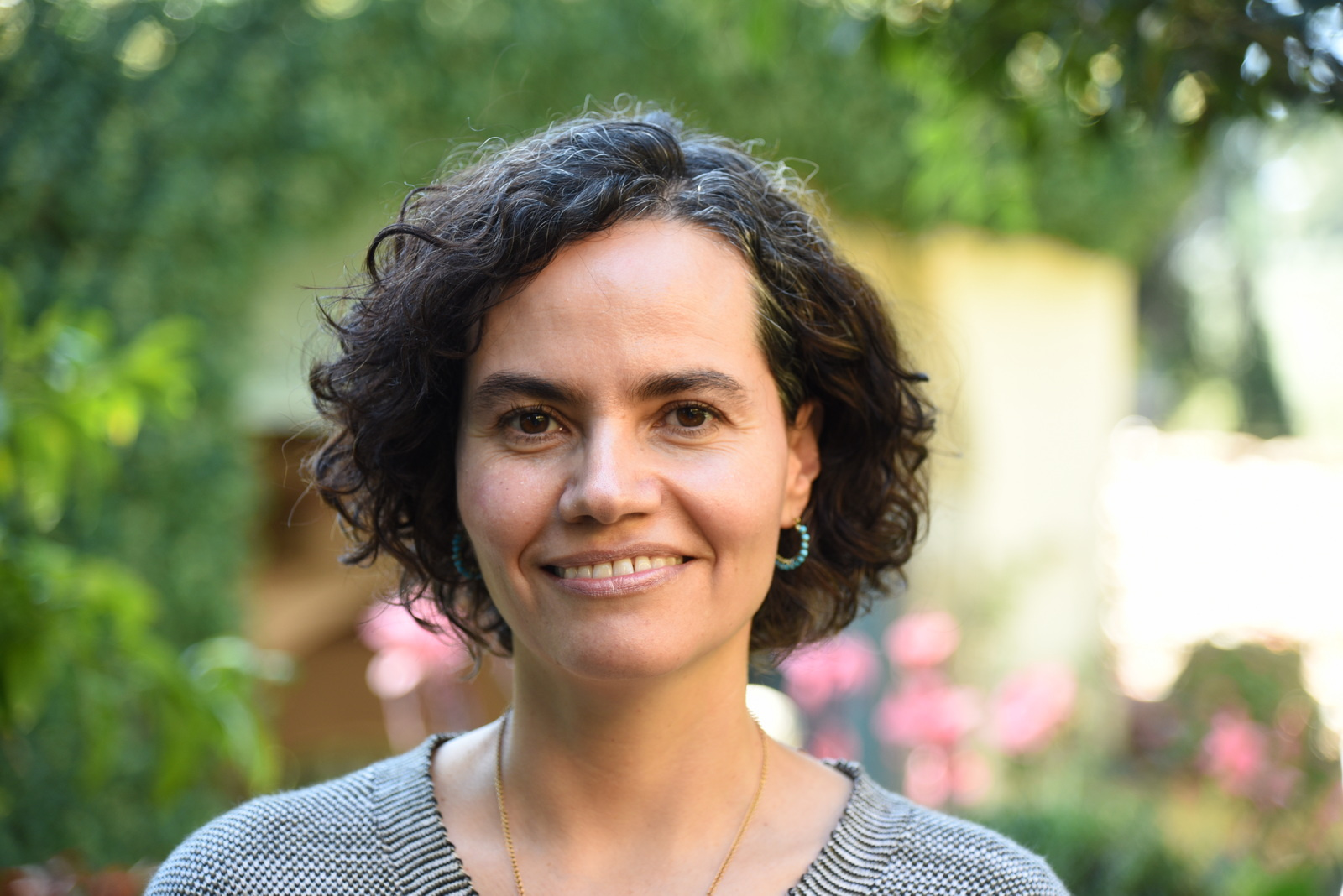
Catalina Ospina is assistant professor in the History of Art department at Yale University. She studies the material culture of Prehispanic and colonial Latin America. Her research examines the intersections between objects and embodied practices, with a particular interest in understanding knowledge-making beyond alphabetic writing. She is at work on a book manuscript titled “From Mouth to Hand: Colonial Mopa Mopa Production.” Her research has been supported by the Franke Institute at University of Chicago, the Huntington Library, the Council on Library and Information Resources, and the Thoma Foundation.
Project Summary
The vast riverine and tightly interconnected landscape we have come to know as the Amazon has fascinated and challenged outsiders even before Europeans encountered it. The Inca, like the Spanish after them, never fully conquered the Antis (or Amazonians) and had to radically adapt their conquering strategies to make inroads in the region. The Amazon’s past has also challenged the academic disciplines that have approached it. However, new scholarship in archaeology, history, and linguistics, along with Ospina’s own work on mopa mopa resin in the colonial northern Andes, is helping us understand the region’s fascinating past. This second book project, "Water Highways: Interconnected Amazonian Worlds," will center on works by Indigenous makers produced or circulated in the early modern period as a way to understand the complex ecological, social, and artistic dynamics in the region. Taking a bird’s-eye view of the region’s vast river highways, it aims to understand how Indigenous groups of multiple ethnicities, Europeans representing different colonial powers, and Afro-descendants who settled in the region came to encode their relationships with the Amazonian environment.