
Javier Molina Villeta
Between Italy and Tenochtitlan: The Italian Humanist Legacy in the Chronicles of Colonial Mexico
2026-2027 (September - December)
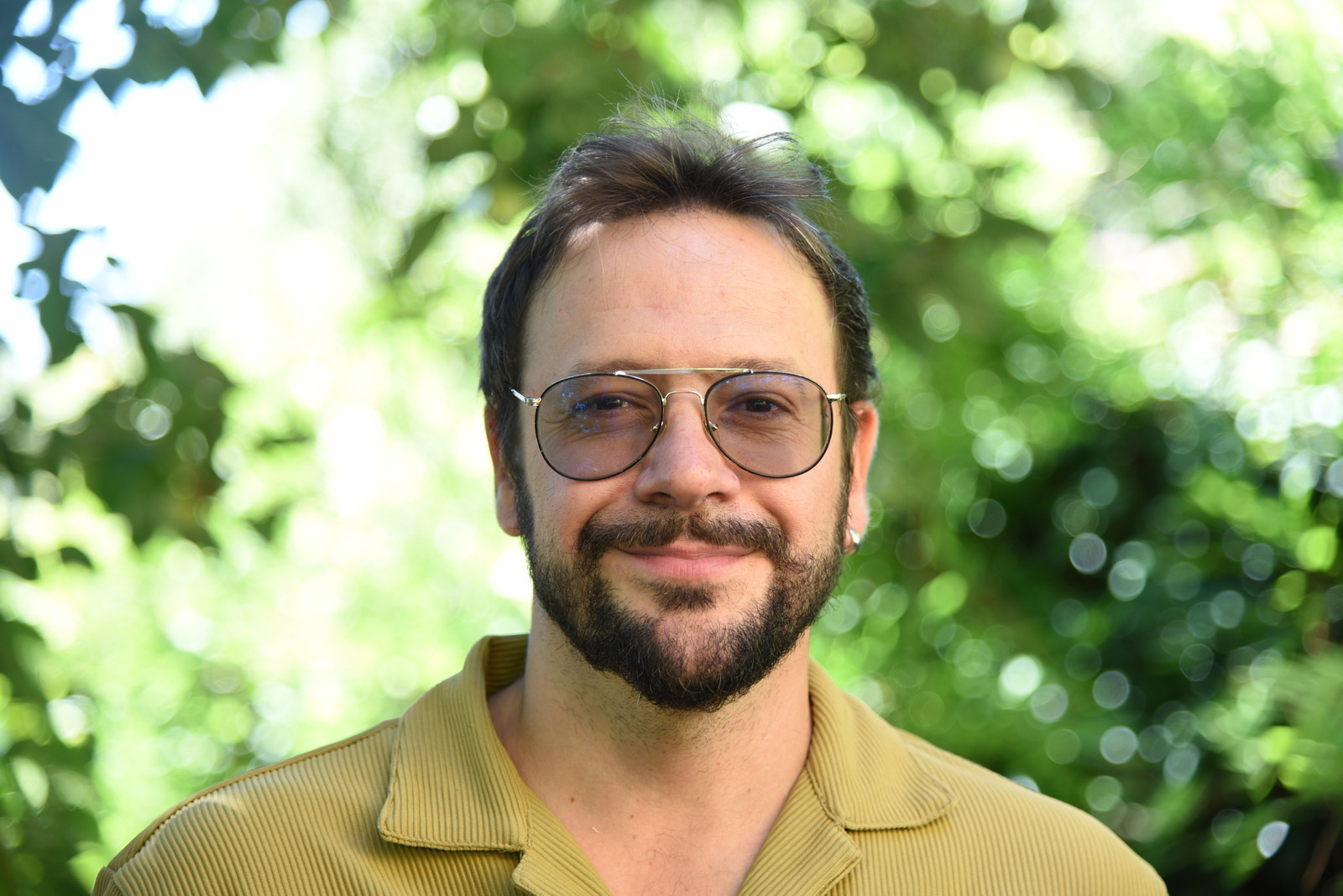
Biography
Javier Molina studies the sixteenth century, with a particular focus on Italian humanism, the conquest of Mexico, and the formation of mestizo societies in New Spain. He is a postdoctoral researcher (SECIHTI) at the Instituto de Investigaciones Antropológicas, Universidad Nacional Autónoma de México (UNAM), and holds a PhD in History from UNAM and a PhD in Spanish American Literature from the Universidad Complutense de Madrid. He has published fifteen articles in Spanish, English, and Italian, and is the author of Hernán Cortés: un dilema histórico (Universidad de Sevilla, 2025). He is currently completing a new book on the first generations of mestizos in New Spain.
Project Summary
This project examines the transatlantic circulation of historiographical models between Italy and New Spain in the sixteenth century. Italian humanist rhetoric—shaped by authors such as Paolo Giovio and rooted in the Florentine tradition—provided a powerful framework for narrating empire, later adopted and reformulated by Spanish chroniclers of the Indies. Through the work of Francisco López de Gómara, these models reached New Spain, where they were appropriated and transformed by mestizo and Indigenous historians such as Diego Muñoz Camargo and Domingo Chimalpahin. The project proposes a “double journey” of knowledge. Humanist forms traveled from Italy to the Americas, while narratives of conquest, Indigenous societies, and local knowledge circulated back to Italy through the rapid translation and diffusion of texts such as Hernán Cortés’s letters and Gómara’s Historia de la conquista de México. This process culminates in the Florentine Codex, conceived in New Spain through the collaboration between Bernardino de Sahagún and Indigenous scholars, and later sent to Europe, where it ultimately entered the Medicea Laurenziana Library in Florence. This return movement also includes the partial translation into Italian of Sahagún’s Historia general, commissioned in Rome by the Medici circle in the 1580s. By tracing this circulation, the study shows how Renaissance historiography became a transatlantic language through which empire, memory, and knowledge were redefined. The project will form the basis of a book provisionally titled Between Florence and Tenochtitlan: Circulations of Humanist and Indigenous Knowledge.