
Johannes Makar
Arab Print Networks in the Early Modern Mediterranean
2026-2027 (July - January)
Biography
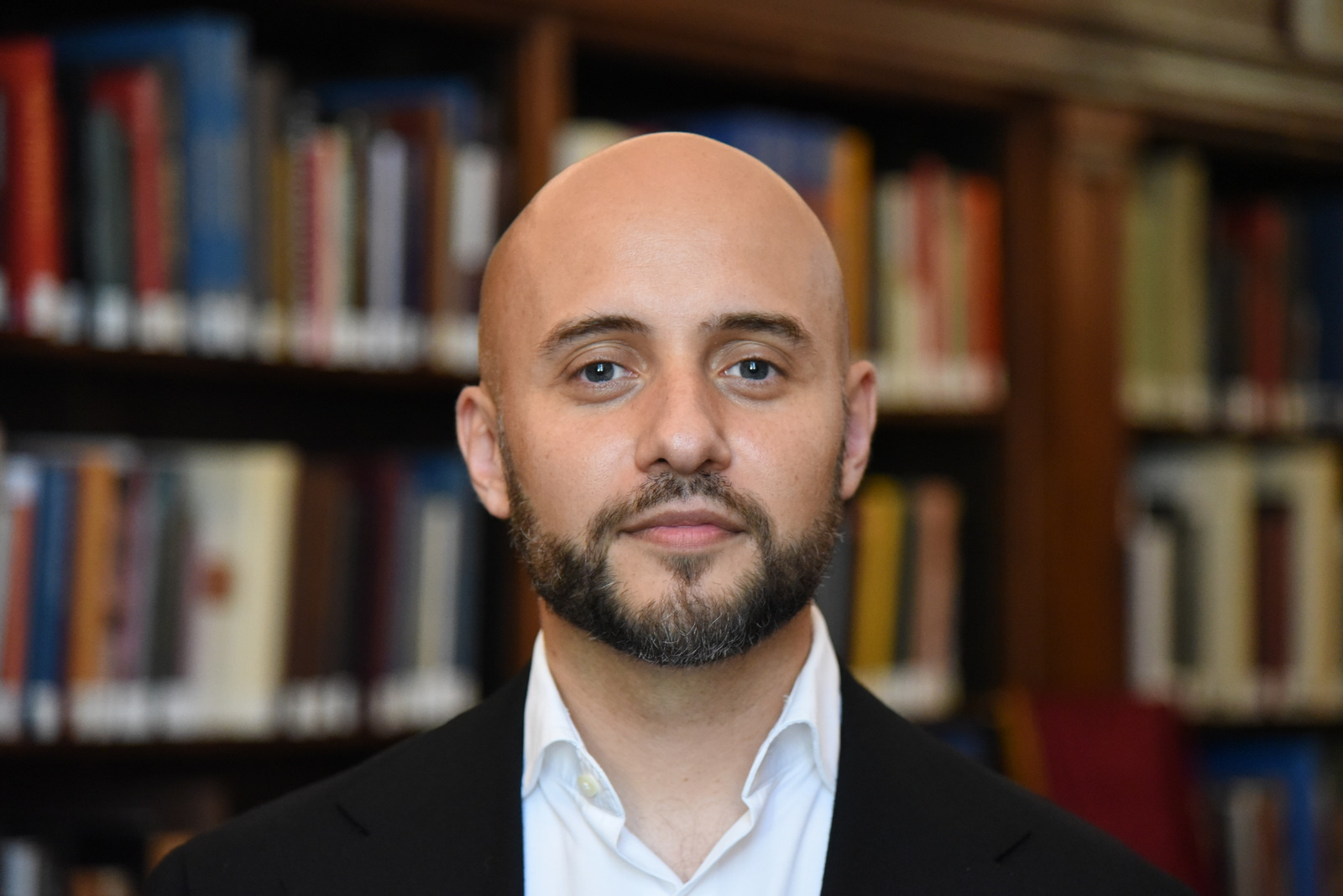
Johannes Makar is a historian of Arabic intellectual history and print culture. His current book project, “That All of God’s Creatures May Know: Minority Intellectuals and the Making of an Egyptian Public,” examines the changing position of non-Muslims in the intellectual life of late Ottoman Egypt. He is also co-editing the memoir of a Coptic clerk during the Sudanese Mahdiya, forthcoming with Brill. Prior to joining I Tatti, Makar was a Kluge Fellow at the Library of Congress. He serves as a pillar coordinator at the MIT Global Humanities Initiative and is joining the editorial board of Global Renaissances. Makar received his Ph.D. in Near Eastern Languages and Civilizations from Harvard University.
Project Summary
How did knowledge circulate in the multi-confessional Ottoman Empire, and to what extent did print alter the ways in which members of different religious communities exchanged information? This project explores the rise of Arabic print culture through the lens of Arabic-speaking Christians in the Eastern Mediterranean. While scholars of the so-called Arab Renaissance (Nahḍa) have long privileged nineteenth-century print establishments such as the Government Press in Cairo and the American Mission Press in Beirut, this project shifts the attention to the networks of local monasteries, European publishers, Western missionaries, and Ottoman merchants that began to upend older information economies from at least the seventeenth century onward. Focusing on the Coptic community and its relations with other groups (both Ottoman and European), it examines the social life of texts and ideas as a lens onto the construction of confessional boundaries in the early modern Mediterranean.